



 Product Inquiry:137-7170-5679
Main Features
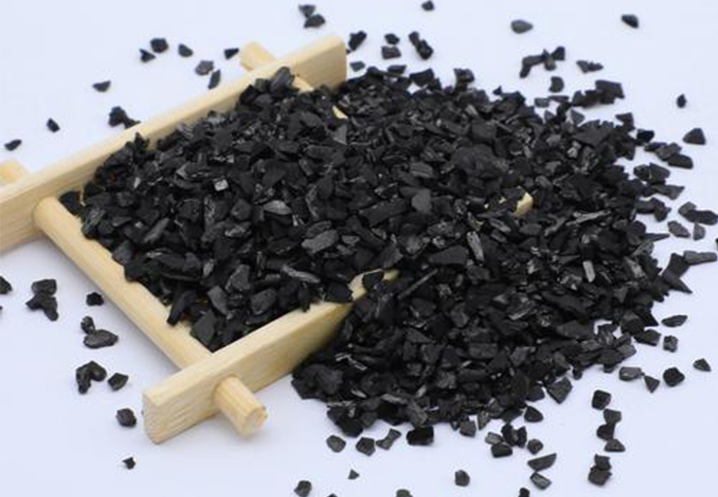
· High Strength & Low Abrasion: Dense structure provides activated carbon with extremely high mechanical strength and low ash content. It is resistant to pulverization during repeated adsorption–regeneration cycles, ensuring a long service life.
· Well-Developed Microporous Structure: The pore structure is dominated by micropores (<2 nm) with uniform pore size distribution, making it especially suitable for gas-phase adsorption and capture of small-molecule substances.
· Excellent Adsorption Performance: Extremely fast adsorption rate and high adsorption capacity for low-concentration, small-molecule gases and vapors (such as benzene, formaldehyde, carbon tetrachloride, hydrogen sulfide, etc.), making it a top choice for gas-phase applications.
· High Purity & Cleanliness: Low impurity content in raw materials results in high-purity activated carbon, offering advantages in fields requiring high cleanliness (e.g., food, pharmaceutical, and high-purity electronics industries).
· Renewability: After reaching saturation, most of its activity can be restored through thermal regeneration and other methods, which is economical and environmentally friendly.
■ Technical Indicators
| Indicator Name | Unit | Representative Meaning & Common Ranges (for Gas Phase Use) |
| I₂ Adsorption | mg/g | Measures total porosity and adsorption capacity for small molecules (~1 nm), serving as the most basic indicator. High-quality gas-phase carbon is typically > 1000 mg/g. |
| CTC Adsorption | % | Measures adsorption capacity for larger organic vapors, a core indicator for gas-phase applications. High-quality products usually ≥ 60%, with high-grade grades > 80% or even 100%. |
| BET Surface Area | m²/g | Measures total adsorption surface area. High-quality coconut shell carbon is generally in the range of 1000–1500 m²/g. |
| Hardness | % | Measures abrasion and shattering resistance, which is critical for service life. High-quality carbon for gas-phase use usually requires ≥ 95%. |
| Moisture | % | Product moisture content, affecting effective weight and transportation costs. Factory standard is generally ≤ 5%. |
| Ash | % | Inorganic impurity content, the lower the better, affecting purity and activity. High-quality coconut shell carbon is usually ≤ 5%, with stricter requirements for food and pharmaceutical grades. |
| Bulk Density | g/L | Mass per unit volume, affecting equipment design and adsorbent dosage. Generally 450–550 g/L. |
| Particle Size | mesh | Particle size distribution, affecting gas flow resistance and adsorption kinetics. Common specifications include 4×8 mesh, 6×12 mesh, etc., which should be selected according to specific equipment. |